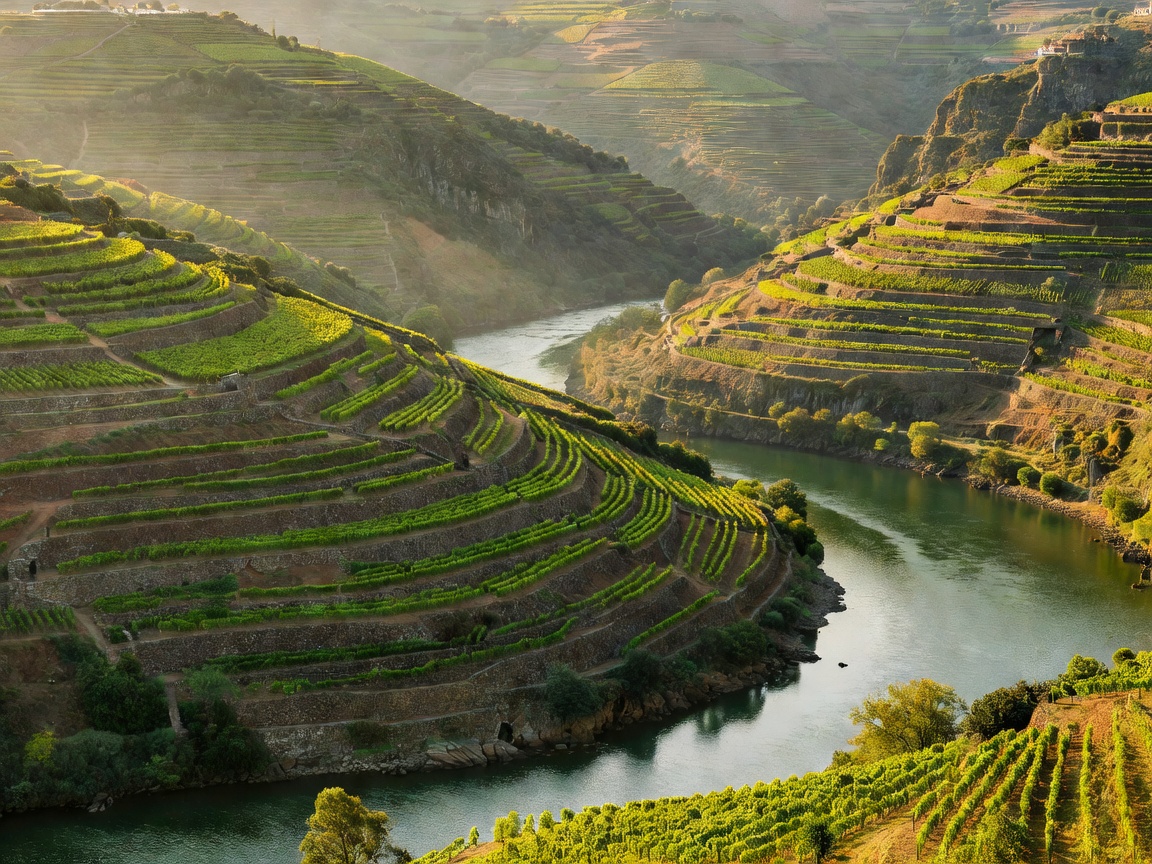
Upper Douro Granite Terraces
Granite farmhouse collectives, century-old train stops along the river bank, and low-density walking spurs connecting isolated wine quintas.
Every listed territory includes verified secondary rail links, non-overloaded lodging densities, and direct access to municipal market infrastructure.
Granite farmhouse collectives, century-old train stops along the river bank, and low-density walking spurs connecting isolated wine quintas.
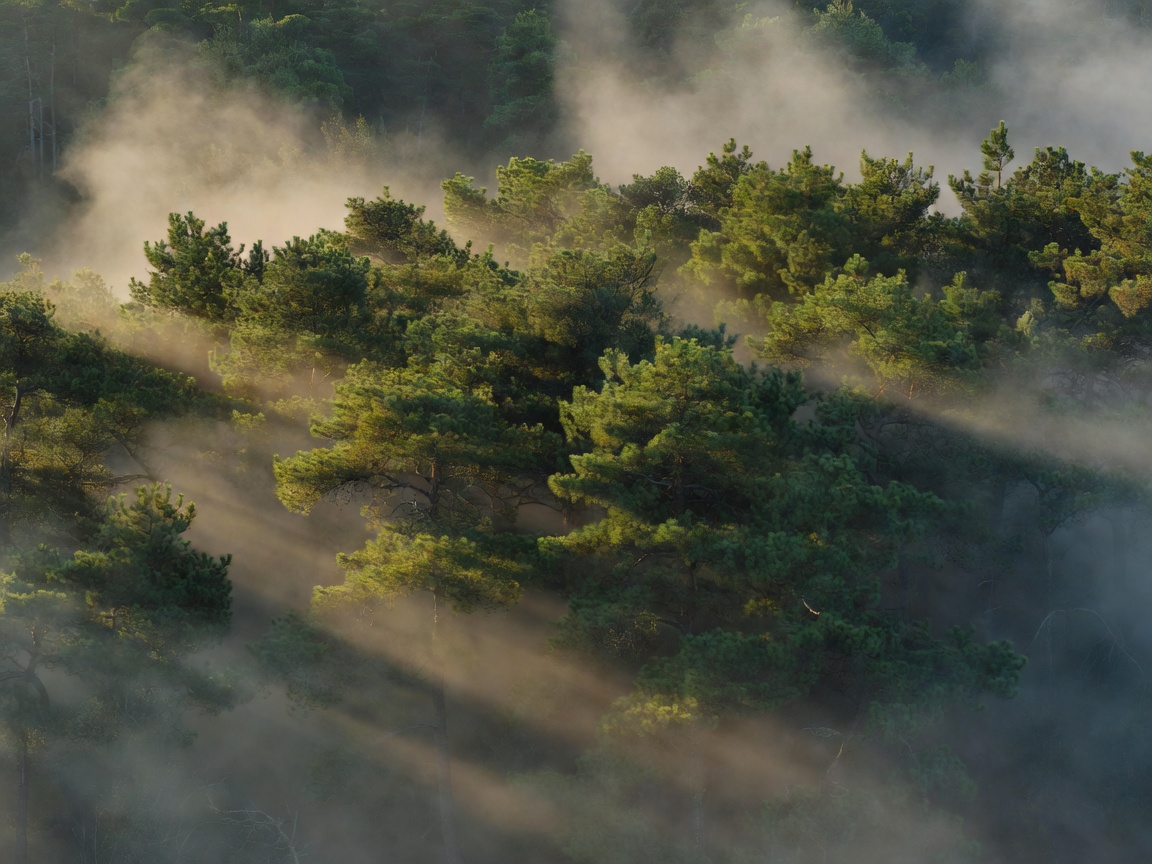
Electrified valley trains, multi-generational timber homesteads, and extensive gravel routes suited for cross-valley foot exploration.
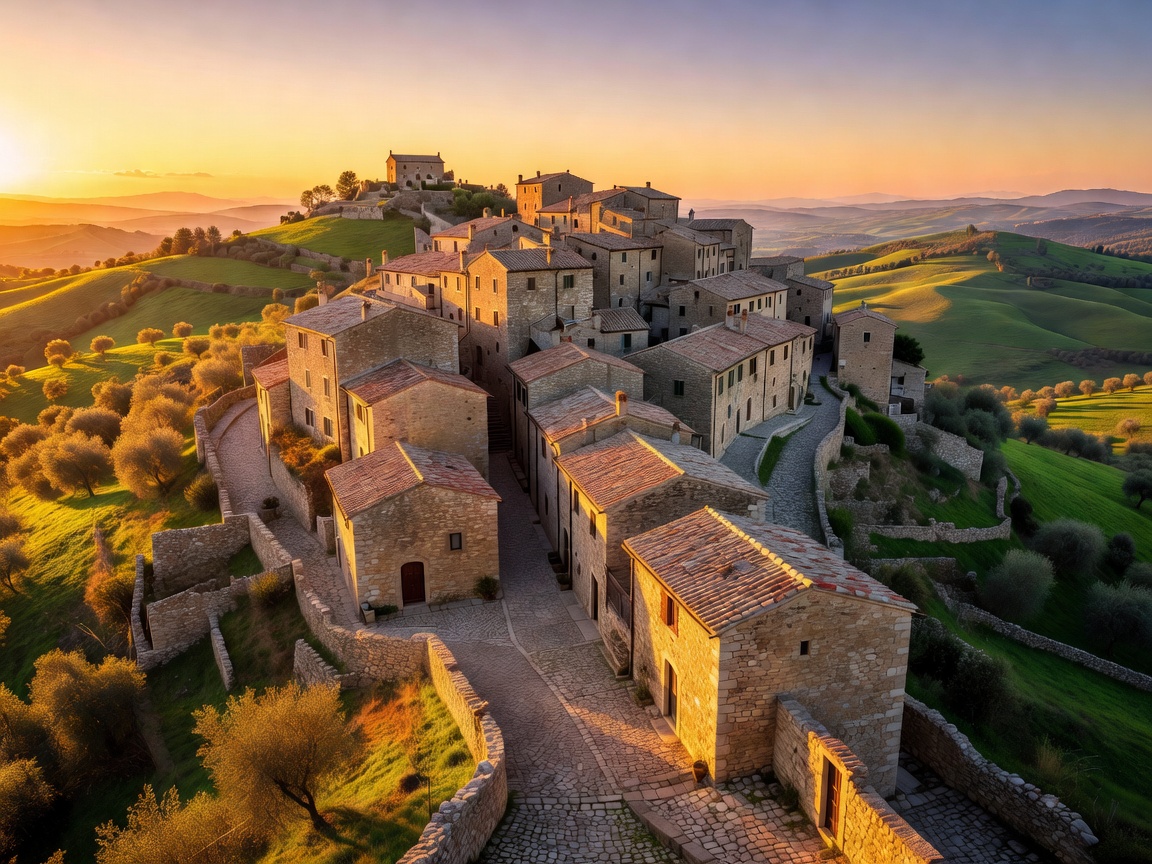
Limestone river gorges, preserved medieval hermitages, and organic lentil agricultural cooperatives connected by rural bus loops.
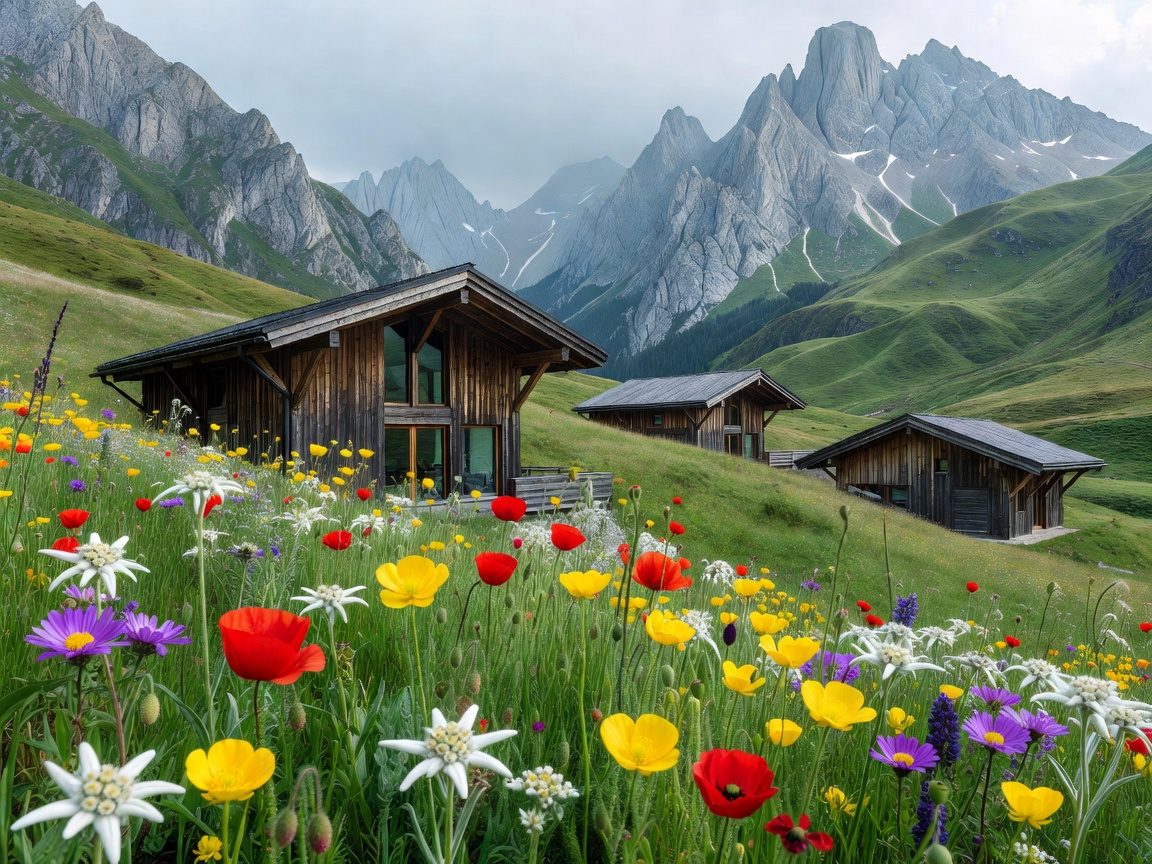
Modern timber craftsmanship, traditional high-pasture cheese dairies, and zero-emission public transit passes integrated with local residency.
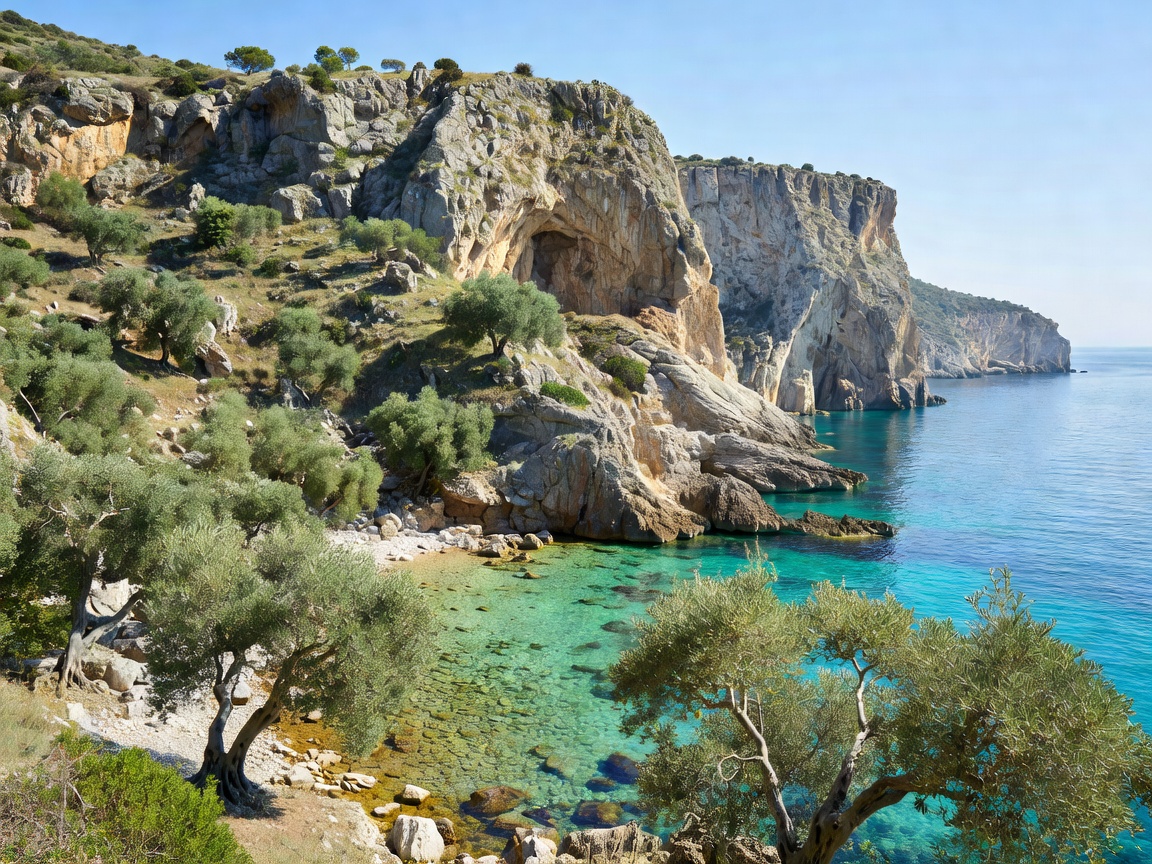
Cog railway lines cutting through dramatic limestone canyons, mountain plateau bakeries, and winter trailheads connecting monastery hamlets.
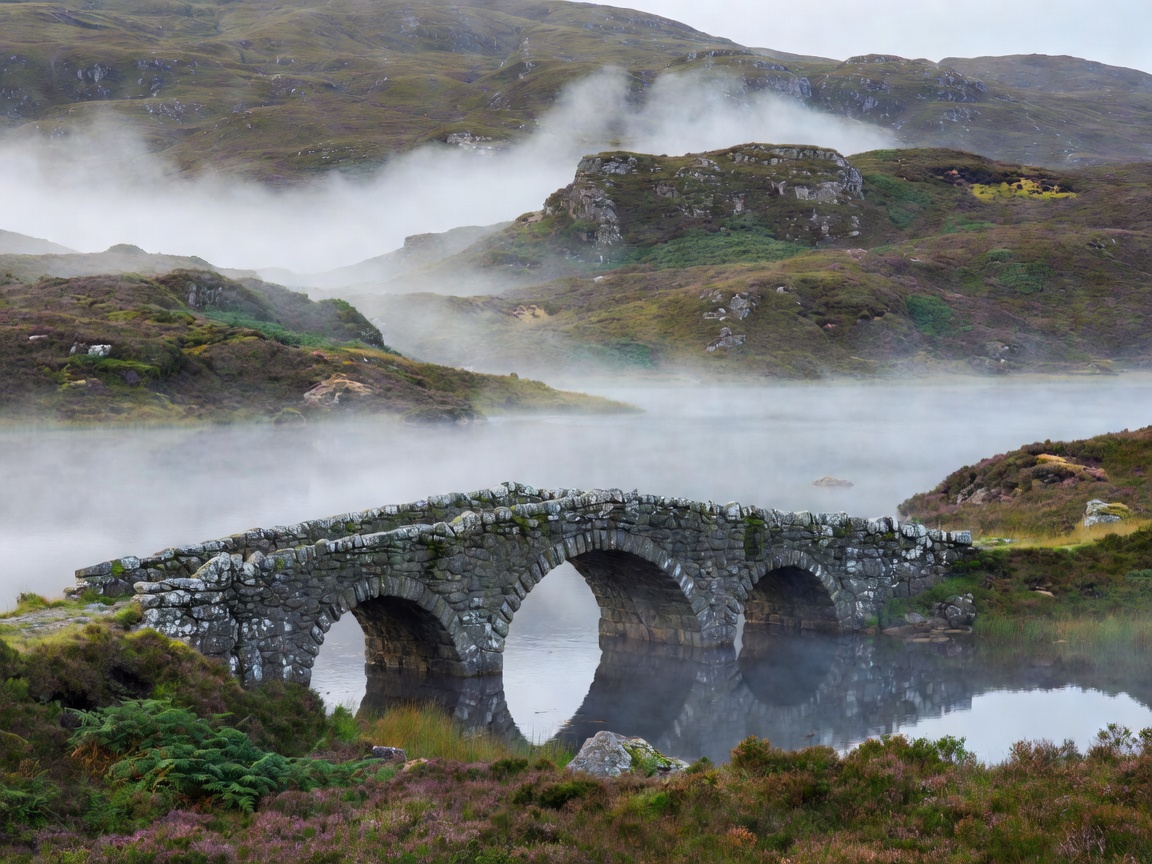
Roadless station outposts, peat moorland waymarks, and community-owned coastal crofts reachable exclusively by sleeper train or footpath.